I used to finish a lot of indie games and feel almost nothing the next morning.
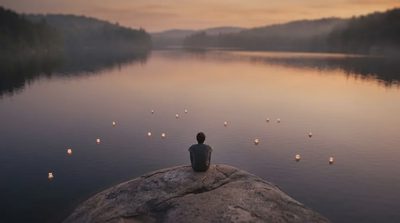
Not because they were bad. Many of them were carefully made, visually competent, even clever. But the moment the credits rolled, the experience dissolved. No image stayed. No mood lingered. No small design choice kept turning over in my head while I walked home at night. It was as if the game had been polite company that left no trace.
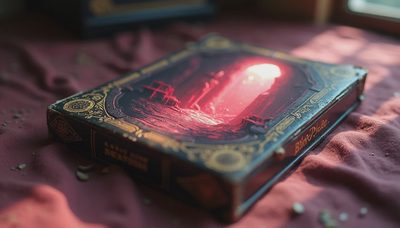
I started noticing how rare the other kind was—the games that refused to leave. A color temperature that still sat in my chest days later. An interface that changed how close I felt to a scene. A way of moving through space that felt more honest than most dialogue. Those were the ones that counted. And they were almost never the ones being recommended the loudest.
That gap is why this site exists.
The problem with how we find indie games
Most of the ways we discover indie games right now are optimized for volume or novelty. Steam queues surface whatever is rising. Lists promise “best of” and then deliver the same fifteen titles with slightly rearranged order. Essays often treat games like puzzles to be solved or statements to be decoded. Very little of it asks the quieter question: will this still matter to you after the novelty wears off?
I don’t blame the systems. Attention is scarce and algorithms reward the bright and the new. But the result is a kind of soft exhaustion. You can spend an entire evening reading about games and still not know which ones are actually worth the limited hours you have.
What I wanted was simpler and harder: a place that paid attention to the things that decide whether a game stays. Not the marketing angle. Not the novelty score. Not the checklist of features. Just the residual feeling—the image, the rhythm, the emotional temperature that refuses to fade.
What I actually notice
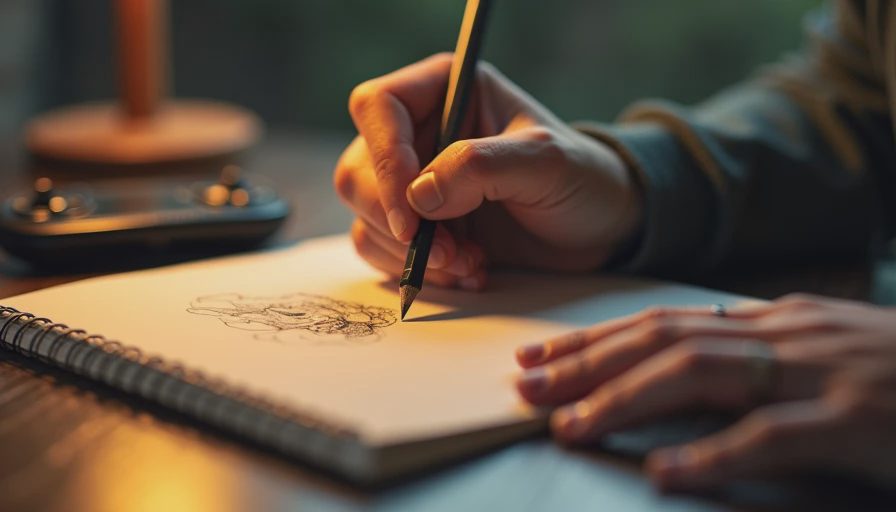
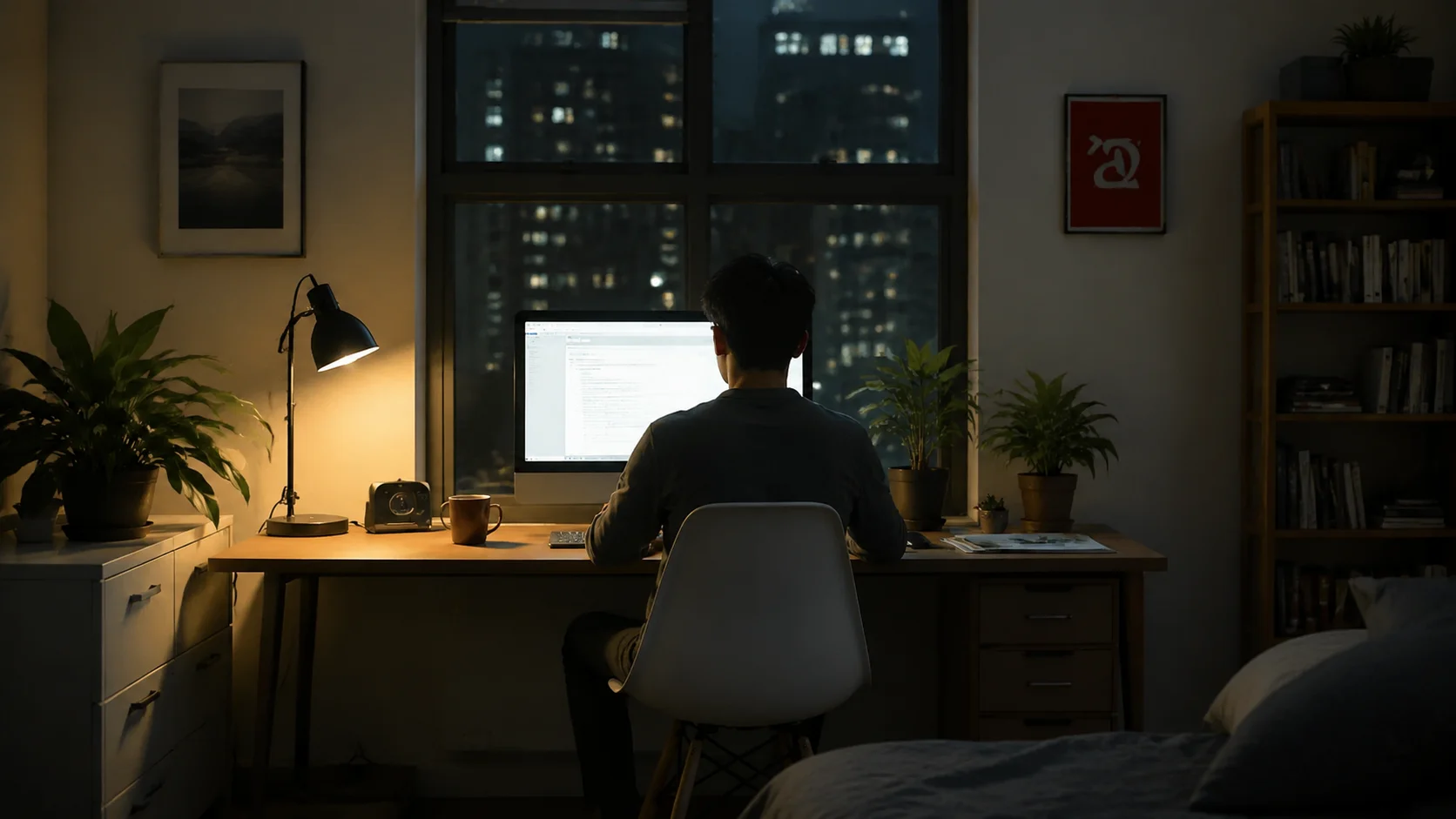
I work as a freelance illustrator. Most of my days are spent making decisions about weight, space, color temperature, and what to leave empty. Those habits don’t turn off when I play. I notice when a menu creates distance or intimacy. I notice when a color palette is doing more emotional work than the story. I notice when a small mechanical choice either supports the world or quietly flattens it.
None of this requires being inside the industry. In fact, staying outside has been useful. I’m not tracking release calendars or studio politics. I’m just a player who has trained himself, through drawing, to see how visual decisions shape feeling. That is the only expertise I claim.
After I finish a game that stays with me, I usually sketch. Not to illustrate the game, just to catch the single image that refused to leave. Those leftover images are often the real reason a title ends up here.
What this site is trying to do
This is not another best-of list. It is not an attempt to be comprehensive. It is a selective record of games that left something behind.
You will find four kinds of writing:
First impressions of games that announce their visual intelligence early
Quiet discoveries of smaller titles that deserve more attention than they received
Essays on how art direction and play feel actually work together
Reflections on the games that linger after the mechanics and the hype have both faded
I will try to be precise about mood and space without turning the experience into theory. I will try to stay warm without becoming vague. And I will try never to recommend a game simply because it is obscure or fashionable. Obscurity is not a virtue. Feeling is.
When I recommend something, I will also try to be clear about who it is for and who it probably isn’t. Time is limited. Attention is limited. A good recommendation should respect both.
The only measure that matters
I have a simple rule I keep returning to.
If it stays with you, it counts.
Not if it was ambitious. Not if it was overlooked. Not if it checked the right aesthetic boxes. Only if something remained after the screen went dark—an image, a temperature, a way of moving that the body still remembers.
That is the standard this site is built around. Everything else is secondary.
I’m glad you’re here.
If something you find on these pages stays with you too, then this experiment is already working.