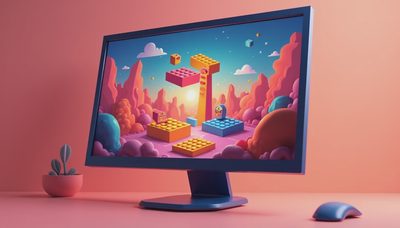
The word grotesqueresque sounds like it should arrive with a crooked smile: familiar enough to understand, strange enough to make the room feel slightly wrong. In games, grotesqueresque describes more than gore or monsters. It points to a visual and emotional language built from distortion, dark humor, awkward bodies, broken spaces, and beauty that refuses to stay clean. The best grotesqueresque games do not simply try to shock me. They make discomfort part of how I look, move, and pay attention.
What grotesqueresque means in games
A grotesqueresque game often begins with something recognizable and bends it until its original purpose becomes uncertain. A kitchen can look almost domestic, then reveal proportions that make it feel like an anatomical diagram. A friendly character might have a painted smile, stiff hands, or a voice that lands half a second too late. The effect is not always horror. Sometimes it is funny, sad, or oddly tender.
That mixture matters. If everything is repulsive, nothing has room to change shape emotionally. Grotesqueresque design works best when a game gives me a point of contrast: a warm lamp in a diseased hallway, a soft melody under an ugly animation, or a mundane task performed in an impossible room. The tension between those details creates the real feeling. It is not loud, just lasting.
In practical terms, look for games where visual discomfort supports the subject rather than decorating it. A distorted body might express shame, grief, hunger, or isolation. A cluttered interface might make me feel trapped inside a character's confusion. When the image and the action share the same idea, grotesqueresque stops being a costume and becomes part of the game’s grammar.

The difference between grotesque and grotesqueresque
The distinction is subtle, but useful when deciding what deserves your evening. A purely grotesque image announces itself. It wants the reaction to happen immediately: recoil, laugh, or stare. Grotesqueresque work is more interested in the afterimage. It lets a strange face, an overfilled room, or a badly assembled machine remain in your mind while you continue playing.
That patience often appears in small indie projects. A developer may use limited animation, flat colors, or deliberately crude models not because the production is unfinished, but because polish would weaken the sensation. A perfect surface can create distance. A trembling line or badly fitted texture can make an object feel handled, damaged, and present.
This is where the form can become unexpectedly intimate. The grotesqueresque is not automatically cynical. A game can look diseased and still be compassionate toward the people living inside it. I am usually more interested in that contradiction than in another sequence of carefully arranged jump scares. If the ugliness reveals character, it has a reason to be there.
How visual design creates unease
Color is often the first signal. Sickly yellow, bruised violet, nicotine brown, and overexposed white can make ordinary spaces feel unstable without resorting to darkness. Composition does the rest. A doorway placed too low, a corridor that narrows without explanation, or a character framed at the edge of the screen can produce anxiety before the player understands why.
Animation is just as important. A grotesqueresque figure does not need elaborate movement. A head that turns too smoothly, a hand that pauses before reaching, or a mouth that keeps moving after the voice ends can be more effective than a detailed creature model. The slight mismatch gives the body a second life, as if it is following rules the player cannot see.
Sound completes the picture. A room tone with a distant mechanical pulse can make a harmless errand feel ceremonial. Footsteps that sound too wet or too close change the scale of a hallway. Good audio design does not explain the image; it leaves enough space for the player to complete it. That participation is why these scenes can feel personal rather than merely graphic.
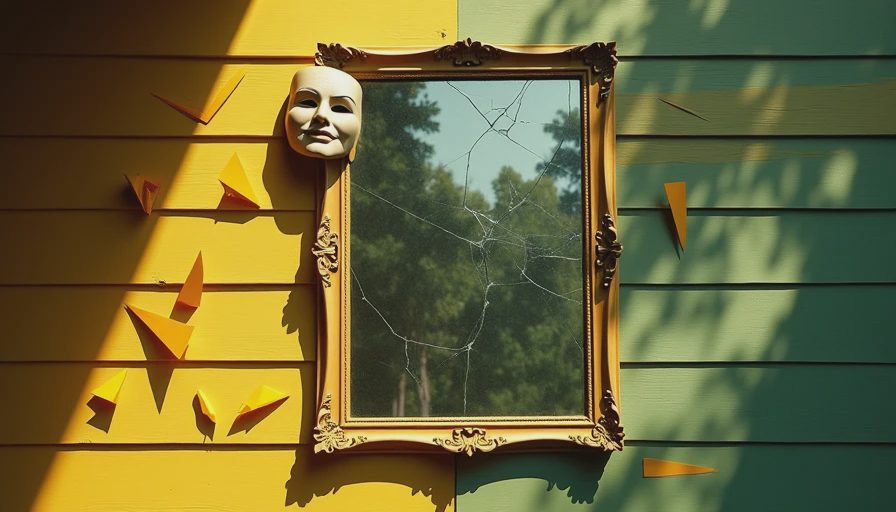
When the style supports the play
The strongest grotesqueresque games connect appearance to action. If the world is about contamination, the inventory might become increasingly difficult to read. If it concerns obsession, the same object may return in altered forms until the player starts anticipating it. If the subject is bodily fear, movement can become constrained, deliberate, or embarrassingly vulnerable.
This relationship also protects the style from becoming empty. I have played atmospheric games that offered marvelous screenshots but little reason to continue. Their creatures were memorable for a minute, then the experience flattened into walking between set pieces. A better game makes the player perform the central tension. It asks for repetition, hesitation, concealment, feeding, sorting, or repair, then gives those actions emotional weight.
That does not require complex systems. One sharp mechanic can be enough. A game about an unstable house might only ask me to place objects correctly, but if each placement changes the room’s proportions, the task becomes a conversation with the space. Grotesqueresque design earns its place when the player’s hands help produce the unease.
Finding games with this sensibility
Search terms can only take you so far. Tags such as horror, surreal, psychological, experimental, and dark comedy will surface possibilities, but they also bring plenty of projects that confuse obscurity with substance. I usually start with screenshots, then watch a short gameplay clip without reading the entire explanation. I want to see whether the visual language holds together while something is actually happening.
Pay attention to the interface. Does the menu belong to the world, or does it break the spell? Are the colors consistent across rooms? Does the animation express the same discomfort as the writing? A grotesqueresque game does not need to answer every question, but it should feel intentional about the questions it leaves open.
Time commitment matters too. A compact two-hour game can make a stronger impression than a sprawling ten-hour one if its images have room to echo. Read recent player comments for clues about pacing, repetition, and technical friction. You are looking for evidence that the atmosphere develops, not just a warning that the opening scene is intense.
Who should play these games?
Grotesqueresque games are for players who enjoy visual risk and can tolerate uncertainty. They suit anyone who notices texture, framing, sound, and the strange emotional charge of ordinary objects. They are especially rewarding after a run of polished mainstream releases, when a rough edge feels more alive than another immaculate fantasy landscape.
They are probably not for someone seeking clean power fantasy, transparent storytelling, or constant forward momentum. Some of these games are deliberately awkward. Their controls might slow the body down, and their narratives may leave important events unresolved. That friction can be meaningful, but it is still friction. A beautiful idea does not excuse tedious design.
My best advice is to choose one with a clear central image and a manageable length. Give it an uninterrupted evening, lower the lights, and let the pacing work before judging it. If the game keeps returning in your thoughts while you are washing dishes or walking home, it has done something more valuable than scare you. If it stays with you, it counts.