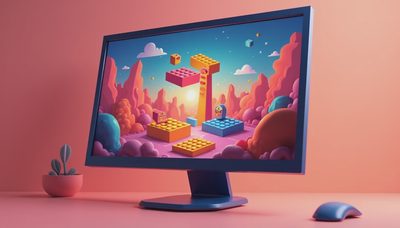
Dead seat is the kind of phrase that feels unfinished when you first see it. It suggests a place someone has left behind, but also a stubborn object that remains after the person is gone. That tension gives this small indie game its first real hook. It does not need a loud premise to create curiosity. The title itself opens a blank room in your head, and the game asks you to sit with it.
What makes dead seat worth discussing is not spectacle. It is the way the experience uses empty space, restrained movement, and visual suggestion to make ordinary details feel slightly wrong. I came to it expecting a brief atmospheric experiment and found something more patient: a game interested in what the player notices when nothing is demanding attention every second.
The first impression is deliberately spare
Dead Seat does not rush to explain itself. Its opening mood is built from distance, stillness, and the uneasy feeling that a familiar place has lost its purpose. You are not immediately handed a dramatic objective or a wall of dialogue. Instead, the game lets small visual decisions carry the early weight.
A chair, a doorway, a patch of shadow, or an object positioned just outside the center of the frame can become more important than a conventional plot beat. This is where dead seat shows its strongest artistic instinct. The composition is not trying to impress you with detail for its own sake. It uses absence as a form of direction. When a room looks too open, you start scanning the edges. When a single object has too much space around it, you begin to wonder why.
That pacing will not work for everyone. Players looking for constant interaction could find the beginning thin. I found the restraint useful because it creates room for attention. The game trusts a quiet image to remain quiet long enough for you to feel its temperature.

A visual language built from what is missing
The most memorable thing about dead seat is its handling of negative space. In illustration, an empty area can make a subject feel isolated, watched, or unusually important. The same principle works here. The environment does not simply provide somewhere to move. It shapes how close you feel to the scene.
Colors appear chosen for mood rather than decoration. Muted surfaces and limited contrast make the setting feel worn without turning it into a generic horror backdrop. A brighter patch can seem almost aggressive because the rest of the image has been held back. This is a modest visual vocabulary, but it is coherent. The game understands that atmosphere comes from relationships: light against dark, a hard edge against a soft background, a familiar shape placed where it should not be.
The interface matters too. When menus and prompts remain quiet, they preserve the emotional distance of the world. A busy overlay would explain too much and make the experience feel like a puzzle box. Here, the presentation leaves some uncertainty intact. That is a risk, but it is also the reason the images have time to settle.
How the play feel supports the mood
Dead seat is not built around mechanical overload. Its strongest moments come from movement that feels measured and from interactions that ask you to look before you act. You are encouraged to read a space rather than conquer it. That makes progress feel less like clearing a checklist and more like slowly understanding a drawing.
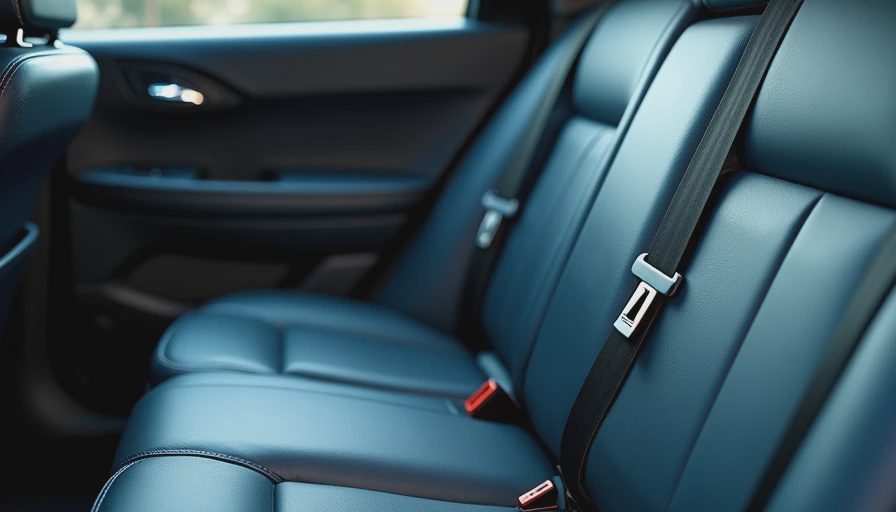
There is a particular pleasure in testing an ordinary object and discovering that the game has given it emotional weight. A door is not only a door if the camera lingers near it. A seat is not only furniture if the surrounding room seems arranged around its absence. The play becomes a conversation between expectation and hesitation.
This also keeps the experience approachable for players who do not want a demanding action game after work. You can spend an evening with it without learning a complicated system or memorizing a large map. The tradeoff is that the game asks for patience in return. If you treat every quiet moment as wasted time, its design will feel slight. If you allow the silence to work, the small interactions begin to connect.
What stays with you after playing
The best atmospheric games leave behind one image rather than a complete explanation. Dead seat understands that instinct. I kept thinking about the spaces between events: the pause before entering a room, the object that seems recently used, and the sense that someone else's routine has been interrupted.
That lingering quality is more valuable than a twist engineered to dominate conversation. The game does not need to turn every detail into a clue. Some details function as emotional residue. They suggest a history without converting that history into a paragraph of exposition. For me, this is where the game feels most mature. It knows that mystery becomes weaker when every shadow is eventually labeled.
The experience is also short enough to respect your time. A compact game can still feel substantial when its visual choices are consistent and its pacing has purpose. You do not need dozens of systems to create a memorable place. You need a strong sense of what to leave out.
Who should play it, and who should skip it
Dead seat is a good fit for players who enjoy quiet horror, surreal walking games, and indie projects that communicate through image more than explanation. It will especially appeal to anyone who likes pausing to inspect a composition, noticing how a room changes with context, or sketching the one scene that survives after the credits.
It is less suitable for players who need combat, frequent rewards, or a clearly marked objective at every stage. There is no shame in that preference. A game this restrained depends on a particular kind of attention, and attention is not an unlimited resource. If you want momentum above all else, another recommendation will serve you better.
For players in the middle, I would suggest trying it when you have a quiet hour, headphones nearby, and no need to rush toward the next thing. Do not play it while checking another screen. Its details are small enough to disappear when your focus is divided.
The final read
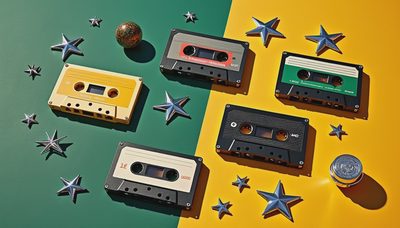
Dead seat is not trying to be the loudest discovery in your library. Its value is closer to finding an unusual cassette in a thrift-store bin: the cover catches your eye, the texture feels a little strange, and the mood follows you home. Some of its ambiguity will frustrate players who want firmer answers, but that uncertainty is also what gives the work its shape.
I would recommend it to anyone who believes an indie game can be worth remembering without being enormous. Look for the spaces the camera leaves open, the objects that receive too much attention, and the moments when the environment seems to notice you back. If it stays with you, it counts.