TOEM 2 is the kind of sequel people imagine because the first game leaves a particular shape in the mind. TOEM, from Something We Made, is small, gentle, and visually distinct: a black-and-white photography adventure about walking through unusual places, helping strangers, and noticing details that louder games rush past. I finished it feeling less like I had conquered a map than spent a quiet afternoon somewhere briefly available to me. If a follow-up arrives, it will have to understand that feeling before adding anything bigger.
There is no point pretending that TOEM 2 needs an enormous world, hundreds of collectibles, or a dramatic combat system. The original worked because its scale was honest. You took photographs, solved modest problems, and moved through a hand-drawn landscape with enough empty space for curiosity. A sequel should extend that language rather than translate it into a conventional adventure game.
What made the first TOEM memorable
The first game’s best idea was not photography by itself. It was the way the camera changed your attention. A strange animal, a distant building, or a person’s small request became worth examining because the game framed looking as an active form of play. You were not simply moving toward the next objective. You were learning how to see the place.
That distinction matters for TOEM 2. Many games use a camera as a checklist tool: find the right subject, press a button, receive a reward. TOEM made the act feel more personal. The photograph was proof that you had paused. Its monochrome art also gave every scene a strong graphic identity. Shapes, silhouettes, patterns, and motion carried more weight because color was not doing all the emotional work.
The result was warm without becoming sugary. Some characters were funny, some were lonely, and some were simply odd in a way that made the world feel lived in. The game trusted small encounters. That trust is the part a sequel should protect.
A larger journey should still feel intimate
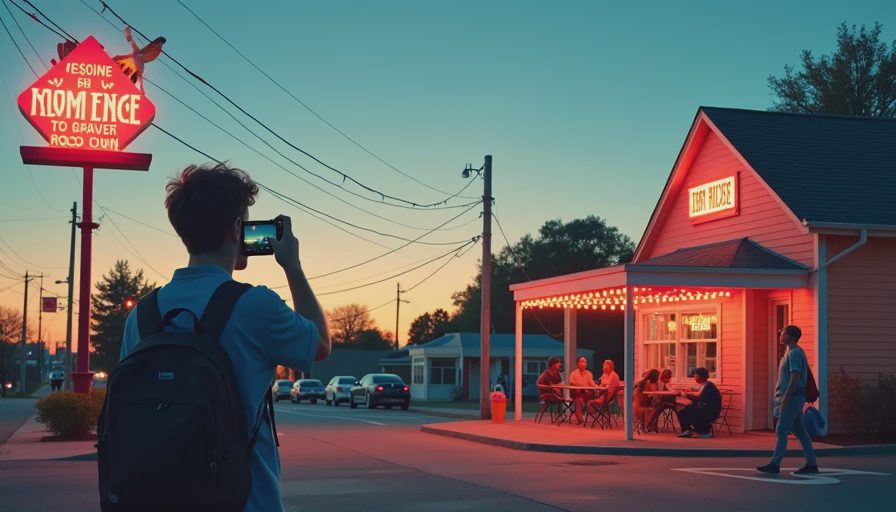
The obvious direction for TOEM 2 would be a longer trip through new regions. I would welcome that, but only if each location has a clear visual and emotional idea. The original’s areas felt like chapters in a storybook. A sequel could visit a foggy coastal town, a crowded night market, a high mountain observatory, or a nearly abandoned roadside stop. The important thing is not the number of destinations. It is whether each one gives the player a new way to look.
A bigger map can easily weaken this kind of game. If every corner contains a task marker, the world starts feeling like a workplace. TOEM 2 should leave room for unprompted discoveries: a window glowing above an alley, a bird that only appears after rain, or a person whose routine changes when you return with a different photograph. These details do not need to become elaborate quest chains. Their value comes from being noticed.
Travel could also be more connected. Instead of selecting a finished stage from a menu, the player might ride between locations, photograph passing landscapes, and meet temporary companions. A train car or bus would provide a gentle pause between areas, giving the journey a rhythm rather than a sequence of disconnected levels.
Better photography without turning it into a simulator
The camera in a potential TOEM 2 should become more expressive, not more technical. I do not need manual aperture settings, lens charts, or a realistic photography economy. Those systems could bury the simple pleasure of pointing at something interesting. A few meaningful additions would be enough.
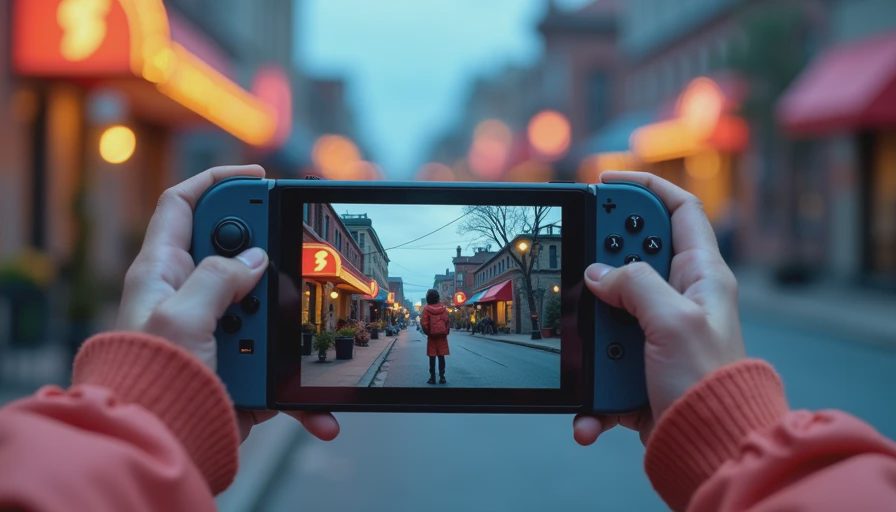
For example, photographs could capture different kinds of behavior. A still image might reveal a hidden symbol, while a sequence of pictures could document an animal’s movement. Reflections, shadows, and unusual angles could matter in specific puzzles. A weather system could change what appears in a scene without turning the game into a punishment for arriving at the wrong time.
The scrapbook also deserves expansion. The original made collected images feel like a personal record rather than an inventory. TOEM 2 could let players arrange pages, write short captions, or compare photographs from different places. It would be a quiet reward for players who enjoy making a record of their route.
The visual style should remain confident
The phrase “black-and-white indie game” is not enough to explain TOEM’s appeal. Its visual identity comes from line weight, staging, animation, and the contrast between flat shapes and lively movement. A sequel should resist the pressure to add color simply to look more ambitious. If color appears, it should have a reason: perhaps a special event, a memory, or a rare natural phenomenon that changes how the whole scene reads.
TOEM 2 could also experiment with light and texture while keeping its illustrated foundation. Snow might soften the edge of a familiar path. A thunderstorm could turn a cheerful plaza into a collection of sharp reflections. Even a limited palette of grays can feel radically different when the composition changes.
This is where the game could make its strongest artistic argument. The best sequel would not shout that it has more content. It would make a street corner, a bus stop, or a hilltop feel worth drawing.
Small stories are better than forced drama
The first game understood that kindness does not require a grand villain. A person can need help finding a pet, preparing for an event, or understanding something just outside their daily routine. Those requests gave the world texture without pretending every problem was a crisis.
TOEM 2 should keep that modest scale. It could explore themes of departure, changing communities, memory, or the awkwardness of returning somewhere after time has passed. Those subjects have emotional depth, but they do not need melodramatic speeches. A closed shop, an empty chair, or a character who no longer recognizes an old photograph can communicate more than a forced cinematic scene.
The humor should remain similarly observant. Strange costumes and deadpan dialogue work best when they emerge from the world rather than interrupt it. I would rather meet ten memorable people with two good lines each than one supposedly complex character carrying a heavy backstory.
Who should play TOEM 2?
If you enjoyed TOEM because it gave you a calm evening with a clear sense of place, TOEM 2 would be an easy recommendation. It should suit players who like A Short Hike, Alba: A Wildlife Adventure, Dordogne, or the quieter corners of Kentucky Route Zero. The common thread is not genre. It is attention. These games reward players who notice how a place feels.
It probably would not satisfy someone looking for constant escalation, deep combat, or a huge open-world system. That is not a weakness. A game can be brief, gentle, and mechanically simple while still having a strong point of view. In fact, the restraint may be exactly what makes it memorable.
For a sequel, a six-to-eight-hour journey would be enough if every region had something specific to say. A shorter game with a clean ending would serve the concept better than a padded adventure full of repetitive errands.
My practical verdict on a possible sequel
TOEM 2 should exist only if the developers have another visual idea they genuinely want to explore. A repeat of the first game’s locations, jokes, and camera tasks would be pleasant but unnecessary. The original already does that work. The follow-up needs a fresh route, new rhythms, and a reason for the player to look again.
I would want more expressive photography, a connected sense of travel, and a few surprises in how scenes change over time. I would not want combat, endless crafting, or a giant map designed to inflate playtime. The best version would stay compact and perceptive, with enough new material to justify the return.
For now, the sensible approach is to treat TOEM 2 as a hopeful possibility rather than a confirmed destination. Revisit the original if you want a quiet game that respects your attention, and watch for official news instead of building expectations from rumor. If a sequel arrives with the same patience and a new visual language, I will be there with the camera ready. If it stays with you, it counts.