The phrase franken game suggests something assembled from mismatched parts: borrowed mechanics, unusual art, half-familiar systems, and a mood that refuses to sit neatly in one genre. That is exactly why the idea interests me. Some of the best indie games feel stitched together at first, then gradually reveal a precise internal logic. Others are just piles of interesting scraps. The difference is whether the pieces begin to breathe as one experience.
This is a guide to approaching a franken game without mistaking strangeness for quality. I am less interested in whether a project looks obscure than in whether its visual language, pacing, and interactions give you a reason to stay. A strange premise is an invitation, not a guarantee.
What makes a franken game compelling?
A convincing franken game usually begins with contrast. It might pair a soft, illustrated world with severe survival mechanics, or place a slow walking pace around a sharply structured mystery. The contrast creates friction, and friction creates attention. You look more closely because the game has not given you an easy category.
The strongest examples also understand proportion. A strange inventory screen, a distorted character portrait, or an awkward little sound can make a world feel personal. Ten unrelated systems competing for attention usually make it feel unfinished. The question is not whether every part is original. It is whether each part contributes to the same emotional temperature.
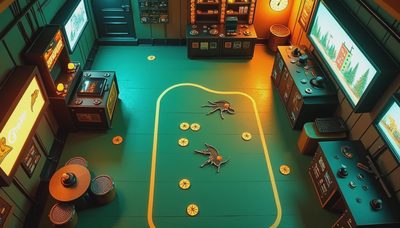
I often notice this in the first hour. The interface may be plain, but the spaces have a memorable rhythm. A room may be almost empty, yet its color and scale suggest something the dialogue never says. That kind of restraint matters. A franken game does not need constant surprise; it needs a point of view.
Read the visual language before the feature list
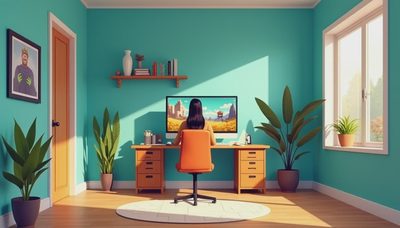
Screenshots are especially useful when you are considering a franken game. Look past the resolution and ask what the images are doing. Are the colors muted or aggressively synthetic? Do characters sit naturally inside their environments, or do they look pasted onto them? Is the camera close enough to make a hallway feel intimate, or distant enough to turn the player into an observer?
The answers tell you more than a long store description. A game that combines pixel art, collage textures, and hand-drawn menus may be making a careful argument about memory, decay, or artificiality. It may also simply be trying every asset style the creator likes. The difference becomes visible in composition. Repeated shapes, consistent lighting, and purposeful transitions suggest control.
I pay attention to menus because they are often the quietest statement of all. A clean menu can create calm before a difficult section. A cluttered one can make a game feel nervous. In a good franken game, the interface does not sit outside the fiction. It supports the distance the game wants you to feel from its world.
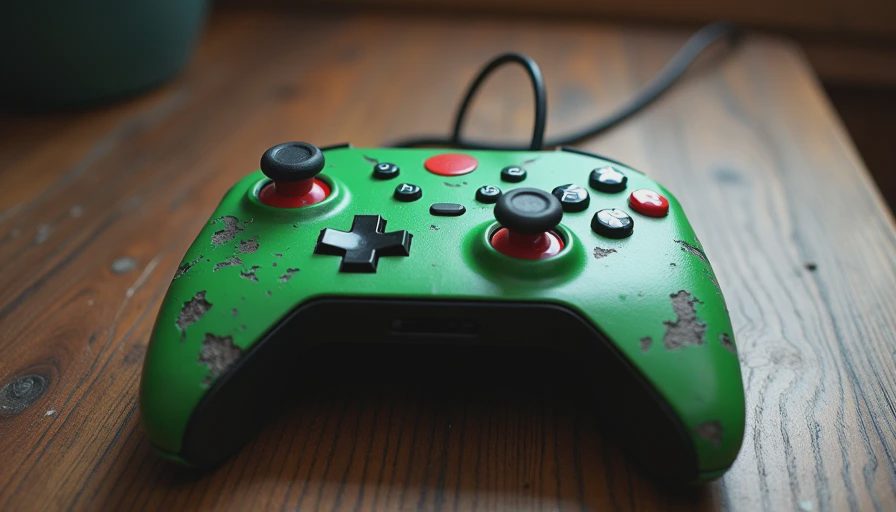
The stitched mechanics need a center
Calling something a franken game should not excuse mechanical confusion. If a project combines exploration, deck building, dialogue choices, crafting, and stealth, each system needs a job. Exploration might create uncertainty. Cards might express risk. Dialogue might make relationships feel transactional. Crafting might turn ordinary objects into clues. Without that center, the game becomes a sampler platter rather than a meal.
A useful test is to describe what you do during a typical ten-minute stretch. If the answer is clear, the combination may be working. If you need to list six unrelated activities before reaching the point, the structure is probably fighting itself. Variety is valuable when it changes the texture of play, not when it only increases the feature count.
The best hybrid games also let one mechanic echo another. A navigation system might use the same visual symbols as the dialogue screen. A combat choice might alter the way a room is lit. These small repetitions make unfamiliar systems easier to inhabit. You begin to sense a grammar beneath the oddness.
How to decide whether it deserves your time
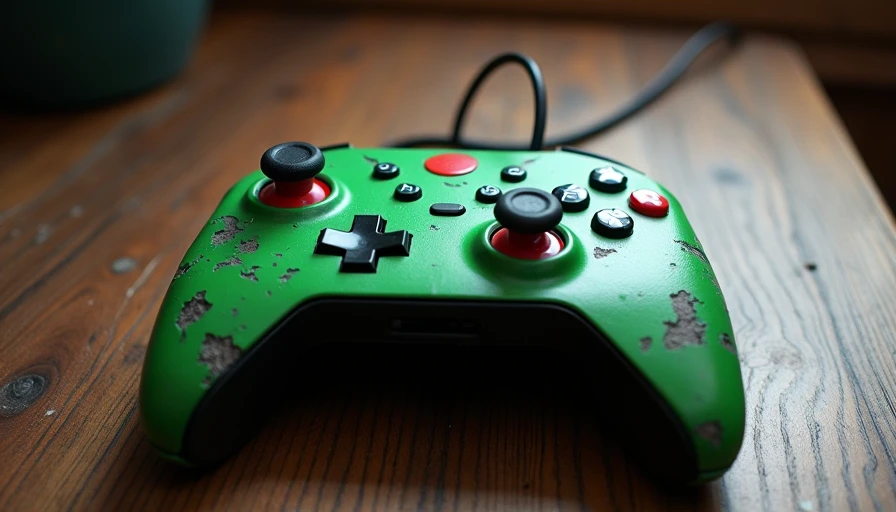
Before starting a franken game, check the practical details. Look at the estimated length, controller support, save system, and whether the developer describes the project as complete. A two-hour experiment and a forty-hour adventure can both be worthwhile, but they ask for different commitments. I would rather know the shape of the evening before pressing Start.
Watch a short gameplay clip instead of relying on a trailer built around dramatic cuts. You want to see movement, menu transitions, dialogue timing, and the amount of empty space between objectives. A polished trailer can make almost anything feel urgent. Five uninterrupted minutes of ordinary play reveal whether the rhythm suits you.
Reviews are most helpful when they discuss texture rather than simply awarding a score. Look for comments about repetition, unclear objectives, reading demands, technical friction, and the final act. If several players mention that the opening is beautiful but the systems never develop, take that seriously. Atmosphere can carry a short game a long way, but it cannot always carry a long one.
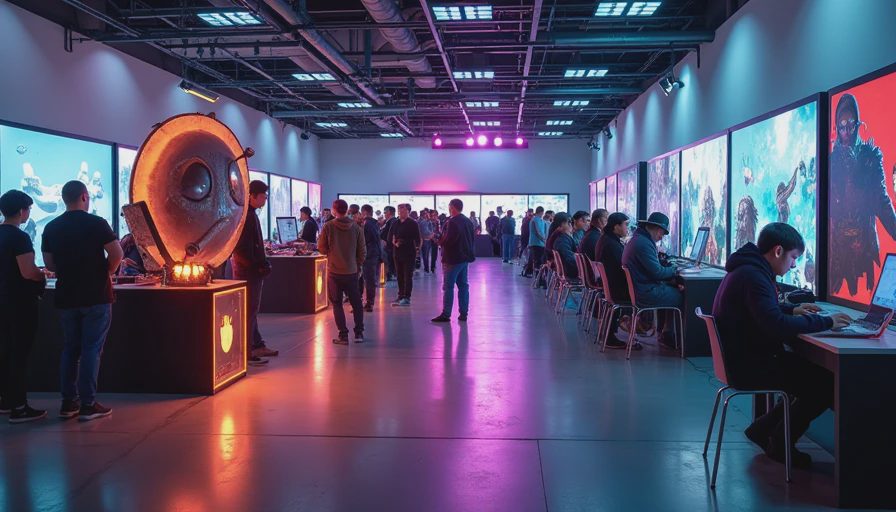
A simple way to play strange indie projects
Give the game a clean first session. Turn off notifications, use headphones, and avoid playing while watching another screen. This sounds obvious, but unusual games often communicate through small changes: a background color, a delayed animation, a sound that only appears after returning to a familiar place. Divided attention makes those details seem like flaws when they are really part of the design.
After thirty minutes, ask three questions. Do I understand what the game wants me to notice? Do my actions feel connected to its mood? Am I curious about the next room, conversation, or decision? You do not need to love every answer. Curiosity is enough to continue. Confusion without curiosity is usually a sign to stop.
If the game is short, finish it before judging the whole structure. Some projects deliberately hold their purpose back. If it is long, give yourself permission to leave. An unfinished game can still have delivered a strong image or idea. Time is not a moral debt you owe to a developer.
Who should try a franken game?
A franken game is a good fit if you enjoy visual experiments, compact narratives, unusual interfaces, and mechanics that reveal themselves gradually. It suits players who would rather remember one peculiar room than clear another conventional map. It also works for anyone tired of games that explain their tone before they have created it.
It may not be right for you if you need immediate goals, familiar genre rules, or highly polished production across every screen. Some hybrid projects are deliberately rough. Others are rough because they need another year of work. Being able to tell those conditions apart is part of the pleasure and the risk.
My best advice is to approach with interest, not obligation. Read the store page, watch real gameplay, and start with enough time to hear the game’s own rhythm. If the parts begin to reinforce one another, keep going. If they remain separate decorations, move on without guilt.
Final verdict
The appeal of a franken game is not novelty alone. It is the chance to encounter a design assembled from unlikely materials that somehow develops a pulse. When art direction, interface, sound, and mechanics point toward the same feeling, the result can be more memorable than a cleaner, safer production.
I look for that moment when the game stops feeling stitched together and starts feeling alive. It might happen through a repeated color, a strange rule, or a room that stays in my mind after I shut the laptop. If it stays with you, it counts. A franken game does not have to be perfect to earn your evening; it needs a perspective strong enough to make the odd pieces matter.