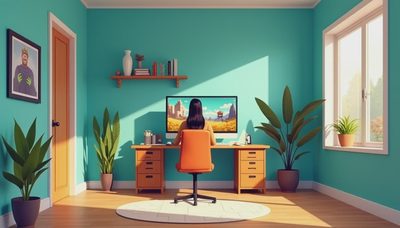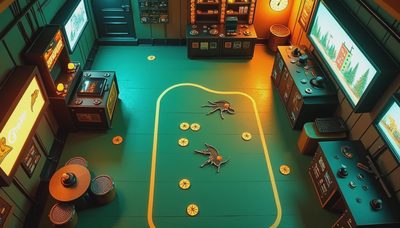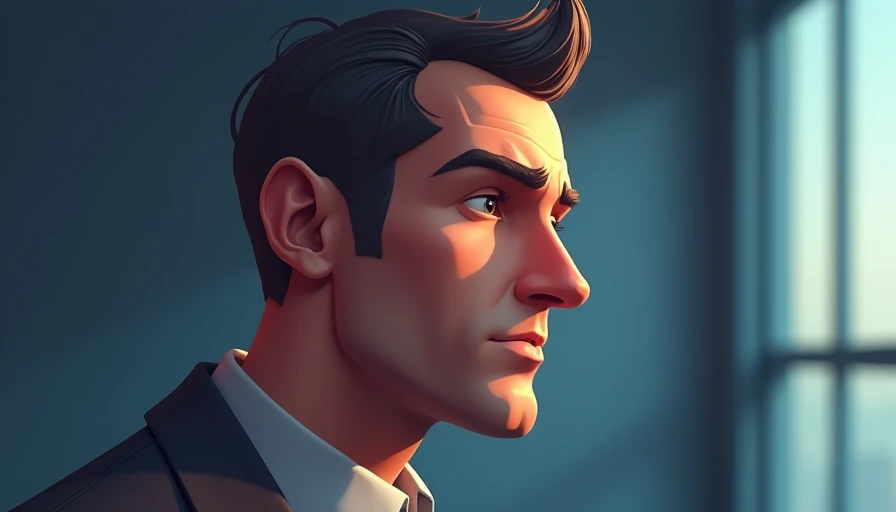
Dark Ego is the kind of indie game that invites a slower first look. Its name suggests something severe and psychological, but the appeal is less about a single shock and more about the feeling that the space around you is withholding information. For players who spend too much time scrolling through crowded Steam discovery queues, that restraint can be refreshing. The question is whether Dark Ego offers enough substance beneath its atmosphere to justify your time.
I approach games like this as I approach a new illustration: first I look at the silhouette, then the texture, then the choices that hold the image together. A dark palette alone is not a mood. A distorted room alone is not a story. The strongest small games understand that every visual decision changes how the player moves, waits, and pays attention. Dark Ego is most interesting when it treats unease as a rhythm rather than a special effect.
What makes Dark Ego stand out
The first thing to notice is its commitment to a particular emotional register. This is not a bright, systems-heavy game trying to disguise itself with a few horror elements. The title points toward inward tension, and the experience works best when you allow it to remain ambiguous. Shadows, empty space, restrained sound, and uncertain visual cues can make a simple interaction feel loaded.
That approach will not work for everyone. Some players want a clear objective, rapid progression, and a steady supply of mechanical rewards. Dark Ego seems better suited to people who enjoy looking at a doorway before opening it, or noticing how a menu, hallway, or camera angle changes the distance between themselves and the game world. The design has value when it trusts silence and does not explain every strange detail immediately.
The best atmospheric games also know that discomfort needs contrast. If every room is equally bleak, nothing feels especially wrong. Dark Ego earns attention when small changes in color, scale, motion, or sound create a shift in pressure. A familiar object placed in an unfamiliar context can do more than a loud scare. That is the visual intelligence I look for in a compact indie release.
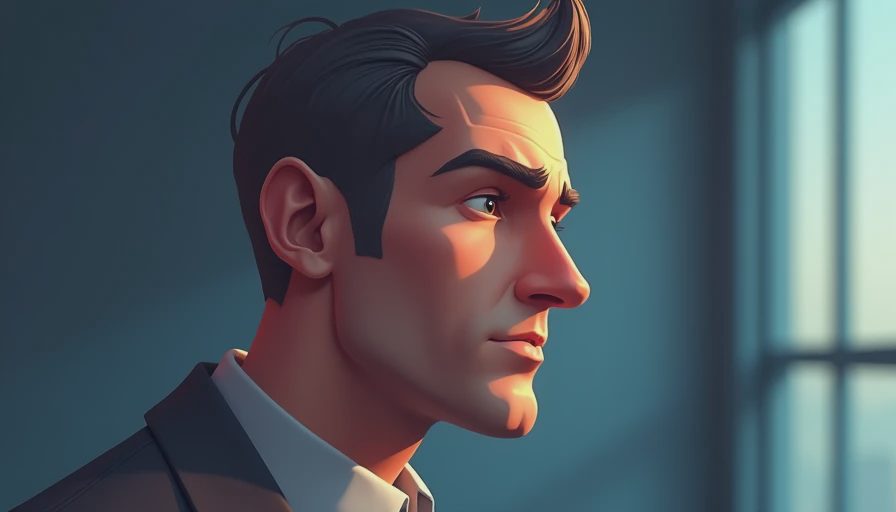
Is Dark Ego actually fun to play?
Atmosphere can get a game through its opening hour, but it cannot carry every minute. Dark Ego works best if you enjoy play that is deliberate rather than busy. Expect the pleasure to come from interpretation, exploration, and noticing connections instead of constant combat or a long list of upgrades. The game asks you to bring some patience with you.
That does not mean the mechanics are unimportant. In a thoughtful horror or psychological adventure, movement speed, interaction prompts, camera position, and sound cues all shape the experience. A clumsy interface can break tension immediately, while a restrained one can make a basic action feel personal. When Dark Ego succeeds, its controls should disappear enough for the room itself to become the focus.
I would not recommend approaching this as a background game. It deserves headphones, a reasonably dark room, and a stretch of time without a second screen competing for attention. Even thirty focused minutes can reveal more than two hours of distracted play. If you are checking your phone every few minutes, the quiet details that give the game its identity will simply flatten out.
The pacing is also part of the bargain. Players who prefer games that deliver a major event every few minutes could find the experience too sparse. That sparseness is not automatically a flaw; it depends on whether the spaces feel purposeful. A slow game needs images, sounds, or unanswered questions strong enough to make waiting feel active. Dark Ego is worth considering when you enjoy that kind of attention.
The visual mood matters more than the label
It is easy to call any unsettling indie title “psychological horror,” but the label does not tell you much. What matters is how the game creates distance from ordinary reality. Is a room too large? Is a familiar shape slightly wrong? Does the interface make you feel protected, or does it expose how little control you have? Those questions are more useful than asking whether Dark Ego is scary in a conventional sense.
The strongest moments come from visual relationships. A narrow passage can make the player feel watched. A flat wall of color can suggest emotional numbness. A sudden change in brightness can make a safe area feel temporary. These are simple tools, but they become memorable when the game uses them consistently. Dark Ego has the most promise when its look is connected to its play rather than applied as decoration.
This is also where personal taste matters. Some people want polished realism, while others respond more strongly to rough edges, limited animation, or a handmade visual language. I tend to prefer games that reveal the presence of their maker. A slightly strange proportion or an unusual transition can feel more intimate than expensive visual noise. Dark Ego should appeal to players who notice those decisions and enjoy sitting with them.
Who should play Dark Ego?
Dark Ego is a good fit for players who like compact indie experiences, slow-burn unease, and stories that leave room for interpretation. It belongs on the shortlist for anyone who searches itch.io or Steam for unusual atmosphere rather than another giant open world. It may also suit players who enjoy sketching, journaling, or listening to a full record after a game ends, because its appeal depends on what continues to echo afterward.
It is less suited to players who need explicit answers, frequent action, or a large progression system. If your ideal horror game is built around weapons, enemy patterns, and increasingly powerful abilities, this may feel too inward and restrained. That is useful to know before downloading. A short game can still demand a real emotional investment, and not every night is the right night for it.
Before starting, check the current store description, screenshots, system requirements, and recent player comments. Small indie games can change through patches, and practical details such as controller support, subtitles, save behavior, or playtime are worth confirming. Spending two minutes on that check is better than buying a game for its title alone and discovering that its format is not what you expected.

How to give Dark Ego a fair chance
Start without reading a long plot explanation. Spoilers can remove the exact uncertainty that makes this type of game work. Lower the lights, use headphones, and let the opening establish its pace before deciding whether it is “slow.” Many atmospheric games communicate through repetition and small changes that are easy to miss when you are waiting for a conventional hook.
Pay attention to the interface as well as the environment. Notice what the game allows you to inspect, what it refuses to explain, and whether the sound changes before the image does. These details can tell you how the designers want you to play. If you find yourself searching for the next objective instead of looking at the world, take a break and return when you can give it a quieter kind of attention.
My practical advice is to give Dark Ego one focused session rather than judging it from a distracted opening. If the visual language, pacing, and unanswered questions create curiosity, continue. If the atmosphere feels empty after that session, there is no need to force a connection. Indie games are not homework, and obscurity is not the same thing as quality.
Dark Ego will probably stay with the right player more than it impresses the impatient one. It is for people who value mood, visual restraint, and the small pressure of not knowing exactly what a space means. It is not for anyone looking for nonstop action or a neatly explained story. If it stays with you, it counts.