Atmosphere is not a layer of fog or a carefully chosen soundtrack.
It is the steady climate of a world—the sense that the space itself holds a consistent temperature, density, and silence even when nothing is happening.
Most recommendation lists favor games that are easy to summarize or already circulating. The titles below sit further out. They are smaller, less discussed, and more particular about the emotional weather they sustain. If you care more about residual climate than about feature lists or production shine, these are worth seeking out.
Dread Delusion
A low-fidelity world of floating societies above a red star. The atmosphere comes from strangeness and scale rather than polish: odd architectures, flawed cultures, and a persistent sense of exploring places that were not designed for you. Exploration and immersion do the heavy lifting. Combat is secondary; the climate of the Oneiric Isles is the real reason to stay.
For players who want strange, slightly melancholic discovery over mechanical depth.

Cape Hideous
An unapologetically odd, ambient experience that leans into its own unattractiveness. The environments and sound design create a continuous low-level unease without relying on conventional horror beats. It feels authored and private rather than designed for broad appeal. The atmosphere is thick, slightly repulsive, and hard to shake once it settles.
For those who prefer atmosphere that stays quietly uncomfortable.
Navicula Meatus
A surreal puzzle game set in a murky, fleshy, suffocating world. The spaces feel organic and hostile in equal measure. Confusion is part of the climate; the game does not hurry to make itself legible. The result is a persistent sense of being inside something that does not want to be understood.
For players drawn to cryptic, bodily, and slightly oppressive atmospheres.
Fragrance Point
Bizarre, synthetic 3D environments that feel like walking through a living, over-designed organism from a half-remembered 1990s render. The colors and forms are overwhelming yet oddly calm. It functions more as a strange hangout climate than as a traditional game, and that is precisely its strength.
For anyone who wants atmosphere built from pure visual and spatial oddity.
Labyrinth of the Demon King
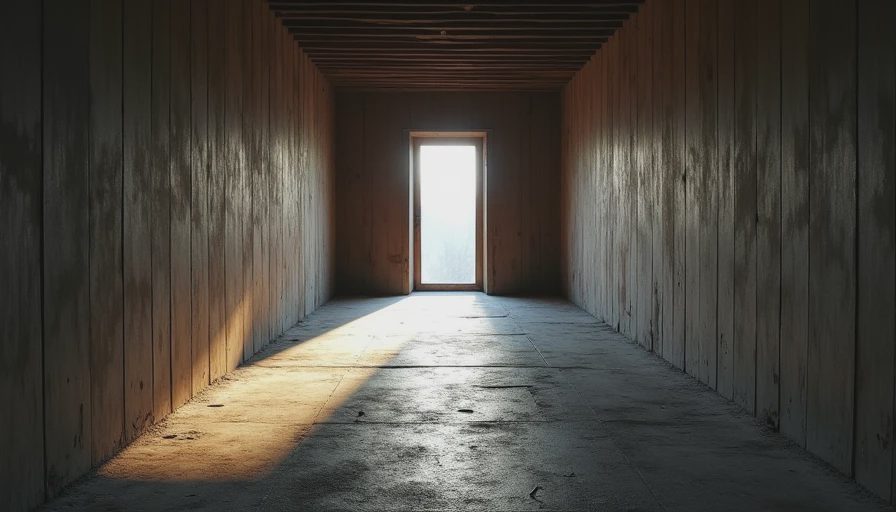
A first-person descent that blends historical texture, limited vision, and steady dread. The atmosphere is heavy and specific—rooted in a particular cultural and architectural weight rather than generic horror tropes. Sound and spatial design do most of the work; the feeling of moving through these corridors lingers longer than most plot points.
For players who want dense, culturally grounded tension and quiet pressure.
These games do not raise their voices.
They simply maintain a clear, continuous climate and trust that the right players will notice.
If atmosphere is the main reason you open a new indie title, these are the kinds of places that repay the attention. They are easy to miss for the same reason they work: they refuse to compete on volume or familiarity. The residual weather they leave behind is usually stronger for it.