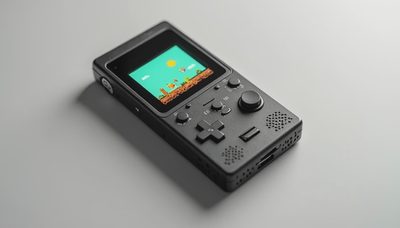

There's a kind of game that I keep returning to—not because it's the most beautiful or the most ambitious, but because it gets something fundamental right. It's the game that feels precise without ever feeling cold.
The distinction matters more than you might think.
Precision in games is usually associated with something mechanical, almost clinical. Tight hitboxes. Frame-perfect inputs. Responsive controls that do exactly what you tell them, when you tell them. These are good things. But too often, precision comes at a cost. The game becomes a machine. The player becomes an operator. Everything works, but nothing breathes.
The rare indie game that feels precise without feeling cold understands something deeper: that precision is not an end in itself. It's a tool. And the best use of that tool is to make the player feel more, not less.
What Precision Actually Means
Many Nights a Whisper is a third-person archery game that blends philosophical storytelling with precise marksmanship. You play as the Dreamer, chosen to land an impossibly distant shot as part of an ancient ceremony—success means a decade of prosperity for your people, failure brings ten years of calamity. The mechanics emphasize precision and patience, as you carefully adjust for distance, wind, and trajectory.
But here's what makes it different. The game isn't asking you to be precise because precision is virtuous. It's asking you to be precise because the weight of the moment demands it. You spend time in intimate discussions with your mentor, listening to the whispers of townsfolk at the Confession Wall. Their hopes, dreams, and fears become part of your journey, adding emotional depth to the experience.
By the time you take that final shot, it's not about mechanical skill anymore. It's about meaning. The controls work exceptionally well, but the precision serves the story, not the other way around. You feel every degree of aim adjustment because you know what's at stake.
That's the difference. Precision without warmth is just calibration. Precision with warmth is care.
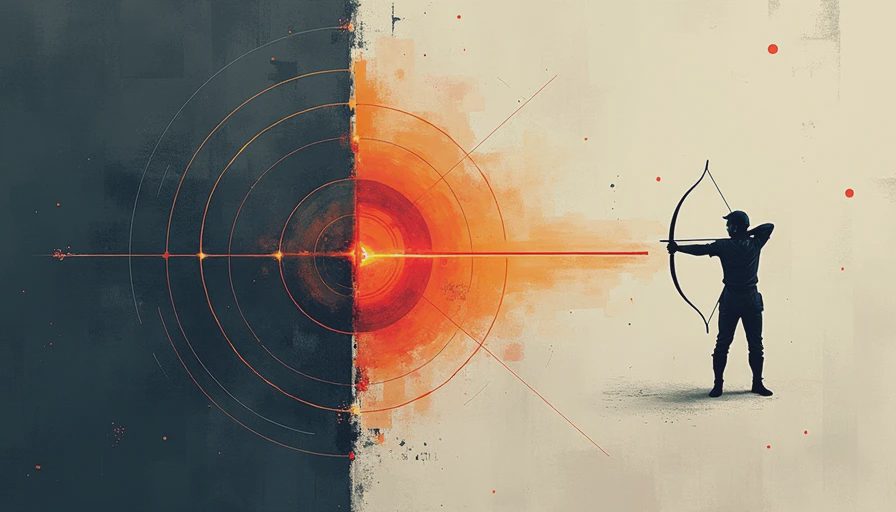
When Precision Becomes Intimacy
Cairn takes a similar approach, but through a completely different lens. The latest indie title from The Game Bakers is a climbing game that showcases some of the most accurate and engaging climbing mechanics you'll ever see in a game.
You control protagonist Aava's limbs directly—left stick to move an arm or leg, a button press to grip. The control scheme quickly becomes intuitive. Every handhold, every crevice, every dimple in the rock is perfectly sculpted. The climbing feels extremely realistic while remaining accessible.
But here's the thing. Cairn is also a tear-jerker of a narrative. The game is about the journey rather than the destination. You're not just climbing a mountain—you're climbing with Aava. You watch her limbs shake when she's exhausted. You hear her breathing change. You feel the cold, the hunger, the thirst.
And when she falls? You feel it.
The precision of the climbing mechanics isn't there to make you feel like a robot executing a sequence of inputs. It's there to make you feel vulnerable. Every handhold matters because Aava's life depends on it. Every route choice matters because a wrong turn can send you sliding down a smooth cliff face.
The game's stunning cel-shaded aesthetic makes it super clear where crevices and tiny handholds lie, but the clarity isn't clinical—it's generous. The game wants you to succeed. It just wants you to earn it.
I found myself wiping sweat from my own hands just watching Aava contort herself through precarious handholds. That's not a reaction to mechanical difficulty. That's a reaction to care. The precision creates intimacy. The intimacy creates emotion.
The Platformer That Made Me Feel Something
Wake Up, Lia! is a narrative-driven indie adventure that pairs demanding gameplay with an emotional story that unfolds one memory at a time. It's a precision platformer—tight controls, spikes, pitfalls, intricate obstacle courses. The kind of game that usually gets filed under "challenging" and little else.
But Wake Up, Lia! does something unusual. Every obstacle represents another step in Lia's emotional recovery. Recovering memories isn't just another collectible objective—it's central to the story the game is trying to tell.
Lia's battle isn't against monsters invading a fantasy world. It's against the nightmares created by bullying and the emotional scars left behind. Every successful jump and carefully timed dash helps Lia recover fragments of her lost memories, gradually piecing together both her past and her identity.
The precision platforming has purpose. It's not about proving you're good at a game. It's about helping Lia heal.
That changes everything. When you miss a jump in most platformers, you feel frustrated. When you miss a jump in Wake Up, Lia!, you feel guilty—because you just set Lia back on her journey toward recovery. The precision is still there—the game demands tight mechanical execution. But the coldness is gone. In its place is something warmer: empathy.
What Makes the Difference
I've been thinking about what separates these games from the ones that feel precise but hollow. Here's what I've landed on.
Precision without warmth treats the player as an operator. The game is a machine. Your job is to run it correctly. The satisfaction comes from mastery, from hitting the inputs perfectly, from feeling in control. There's nothing wrong with this. Many great games work this way. But they don't stay with you the same way.
Precision with warmth treats the player as a participant. The game is a relationship. Your job is to engage with it—not just mechanically, but emotionally. The precision is still there, but it serves something larger. It makes you feel more, not less.
Constance captures this balance beautifully. It's a hand-drawn 2D action-adventure that wears its inspirations openly—Celeste's emotional candour, Hollow Knight's platforming precision. It's a strikingly personal and mechanically rich 2D Metroidvania that balances intense combat with emotional storytelling. The movement system is exceptional, but it's emotional focus that sets it apart—blending exceptional mechanics with deeply personal themes about burnout and anxiety.
The paintbrush isn't just a tool—it's a language through which Constance interacts with her world, creatively tying mechanics to story. The precision platforming is crisp, but the game is about art, and burnout, and healing. The mechanics don't just work. They mean something.

The Common Thread
Every game I've mentioned here shares something important.
Many Nights a Whisper uses precise archery to explore themes of pressure, expectation, and destiny.
Cairn uses precise climbing to tell a story about journey, vulnerability, and human endurance.
Wake Up, Lia! uses precise platforming to explore trauma, recovery, and hope.
Constance uses precise combat and movement to tell a story about burnout, creativity, and emotional survival.
In each case, the precision is real. The controls are tight. The mechanics are demanding. The execution matters.
But in each case, the precision serves something else. It's not the point of the experience—it's the vehicle for the experience. The game is precise because it cares about what it's asking you to do. It wants you to feel the weight of every action, not just execute it cleanly.
That's the rare thing. That's what separates the games that feel like machines from the games that feel like conversations.
What to Look For
If you're looking for this quality in a game, here's what to watch for.
Does the game give you a reason to care about your actions beyond the mechanical outcome? Does it make you feel something when you succeed—and something else when you fail? Does the precision make you feel more connected to the character, or less?
The games that get it right are the ones where precision doesn't create distance. It creates intimacy. You're not controlling a character from outside. You're inhabiting them. Every careful input feels like a choice you're making with them, not for them.
That's the line. That's the balance.
Precision without warmth is impressive. Precision with warmth is unforgettable.
I've played games that control perfectly and leave me cold. I've played games that feel rough around the edges and stay with me for weeks. But the rarest thing—the thing I keep coming back to—is the game that does both. The game that respects my time and my skill, and then uses that respect to make me feel something real.
If it stays with you, it counts.
And these games? They stay.