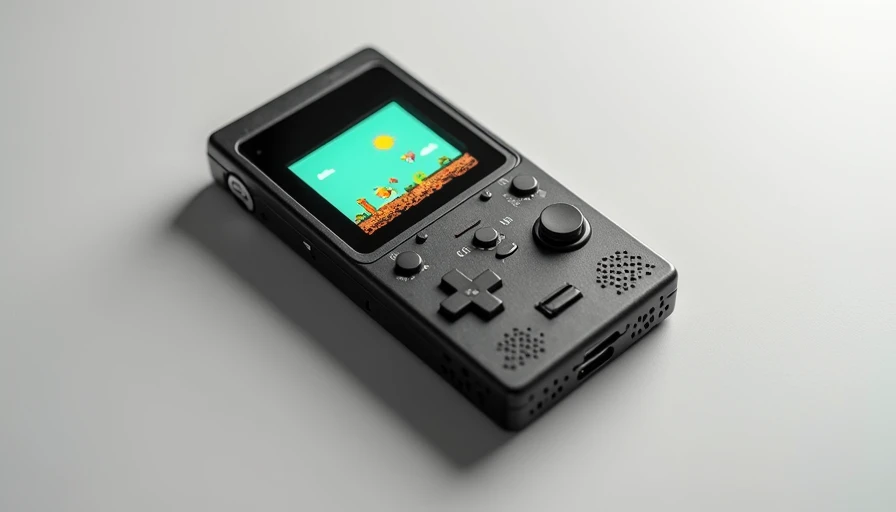
There is a particular kind of memory attached to old cell phone games: a small screen glowing beneath a desk, a polyphonic melody repeating through cheap speakers, and a few minutes stolen before class or during a long bus ride. The limitations were obvious, but they gave these games a distinct shape. old cell phone games rarely tried to overwhelm you. They offered a simple loop, a handful of buttons, and just enough atmosphere to make another round feel necessary.
That simplicity is worth revisiting, although nostalgia can blur the edges. Some classics are still elegant. Others are better left as memories. The interesting question is not whether every game from the era deserves preservation. It is which ones still have a clear visual language, a satisfying rhythm, or an idea that survives the tiny display.
Why the limitations mattered
Before modern smartphones turned mobile games into polished storefronts, many phones had severe technical constraints. A game might use a few shades of green, a small grid of pixels, or a handful of animated frames. Controls were often reduced to a directional pad and two function buttons. There was no room for excess, so designers had to communicate quickly.
That pressure produced a particular kind of visual discipline. Snake was almost nothing but a line moving through a field, yet the growing body created tension immediately. Tetris on a monochrome handset had no elaborate effects, but every falling shape was readable at a glance. Even a tiny racing game could suggest speed through scrolling lanes and flashing pixels.
The best old cell phone games understood that restriction could become style. Their interfaces did not sit outside the experience; they were the experience. A low-resolution screen made every movement feel deliberate. A repetitive sound effect became a pulse. You learned to read the game through rhythm rather than detail.
The classics that still have a pulse
Snake remains the obvious starting point because its design is nearly impossible to dilute. The rules fit in one sentence, but the feeling changes as the board fills. Early rounds are calm and spacious. Later turns become anxious negotiations with your own past movement. That rising pressure still works on a modern screen.
Tetris also deserves its permanent place in the conversation. The older mobile versions can feel austere beside current editions, but that austerity gives the falling blocks a clean, almost architectural quality. There is no visual clutter competing with the central problem: where can this shape go, and how long can you delay the inevitable mistake?
Then there are the licensed games, many of which were uneven but occasionally strange in a good way. A simple platformer based on a cartoon might have only a few levels, yet its compact structure made it easy to finish in short sessions. The charm often came from compression. A familiar character, a two-note melody, and a bright background could make a game feel like a tiny souvenir from a larger world.
The forgotten middle ground
The most rewarding old cell phone games are not always the famous ones. Browse old Java game archives or watch footage from phones such as the Nokia 3310, Nokia 6600, Motorola RAZR, and Sony Ericsson K750i, and you will find a wide middle ground of experiments. Some were puzzle games with unusual rules. Others were tiny adventures, card games, space shooters, or sports simulations built around one clever mechanic.
A useful test is whether the game gives you a reason to understand its limitations instead of merely tolerating them. A puzzle game with a stark grid can feel precise. A turn-based strategy game can use slow input as part of its thoughtful pace. A haunted maze rendered in two colors can create more unease than a detailed horror scene because your imagination supplies what the screen cannot show.
This is where old cell phone games become more than artifacts. They reveal how much atmosphere can be created with almost no material. The strongest examples do not imitate console games badly. They accept their scale and build an identity around it.
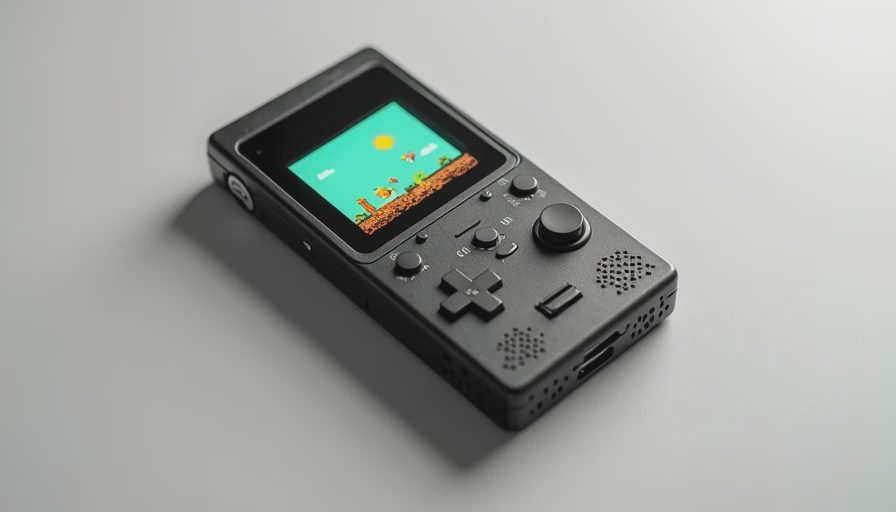
For anyone exploring them now, emulation can be useful, but the experience depends on the setup. A touchscreen overlay often feels wrong for games designed around physical keys. A small Bluetooth controller, a dedicated handheld, or even a keyboard mapped to the original inputs can restore some of the intended friction. The goal is not perfect historical reenactment. It is to recover the relationship between input, screen, and pace.
What makes a game worth returning to
I look for three qualities when deciding whether an older mobile title deserves time. The first is immediate readability. You should understand the basic visual grammar within a minute or two. The second is a loop with enough variation to reward repetition. The third is a mood that does not disappear as soon as the novelty does.
That last quality is difficult to measure, but it is often visible in small choices. A lonely background can make a simple maze feel like a place. A sharp menu sound can give a puzzle game a sense of confidence. A slow transition between screens can create a pause that modern interfaces usually remove. These details are modest, yet they determine whether the game feels made or merely assembled.
old cell phone games also benefit from short commitment. You can play for ten minutes without feeling that you have abandoned a larger obligation. That makes them especially good after work, on a train, or during a quiet evening when a sprawling open world feels like too much. Their smallness is not a flaw when your available attention is small too.
A practical way to explore them today
Start with a device family rather than an enormous list. Nokia games offer a strong introduction to monochrome and early color design. Java titles from the mid-2000s show more animation and ambition. Flip-phone games often reveal how developers used menus, sound, and short levels to compensate for limited controls.
Next, choose one genre. Puzzle games are the safest entry because their rules tend to survive technical aging. Arcade racers and shooters can also work well, especially when their sessions are brief. Story-heavy games are more difficult because text may be cramped, localization can be rough, and saving systems are not always convenient.
Play each title for at least twenty minutes before judging it. The opening may be plain, but older games often reveal their character through escalation. Notice how the speed changes, how new hazards appear, and whether the soundtrack supports the action or simply repeats beside it. If the design feels clearer after a few rounds, that is a good sign.

The ones to skip, and the ones to keep
Not every remembered game deserves a revival. Some licensed titles were built around a logo rather than a playable idea. Others suffer from stiff controls, unreadable menus, or difficulty that feels accidental instead of purposeful. Nostalgia can make these problems seem charming for five minutes, but it cannot solve them.
The better choices usually have a strong central verb: guide, stack, dodge, rotate, aim, or connect. They ask you to do one thing and then make that thing more interesting through timing or pressure. Even when the graphics are primitive, the decision-making remains legible. That is the line between a historical curiosity and a game you might actually revisit.
old cell phone games are also valuable as sketches of design history. They show developers working with constraints that current platforms rarely impose. Looking closely at them can sharpen your appreciation for modern indie games, especially those that use limited palettes, compact levels, or deliberately simple interfaces. The old work is not automatically better, but it can make restraint feel newly visible.
Final verdict
If you want spectacle, these games will often feel too small. If you want a quick mechanical idea with a distinct visual mood, they can be surprisingly generous. Start with Snake or Tetris, then move toward obscure Java puzzles, tiny strategy games, and phone-exclusive experiments. Give the awkward controls a fair chance, but do not confuse age with quality.
The best old cell phone games do not ask you to pretend the past was perfect. They offer something more interesting: a reminder that a game can be memorable without being large. A few pixels, a repeated tone, and a rule that tightens at exactly the right moment can still be enough. If it stays with you, it counts.