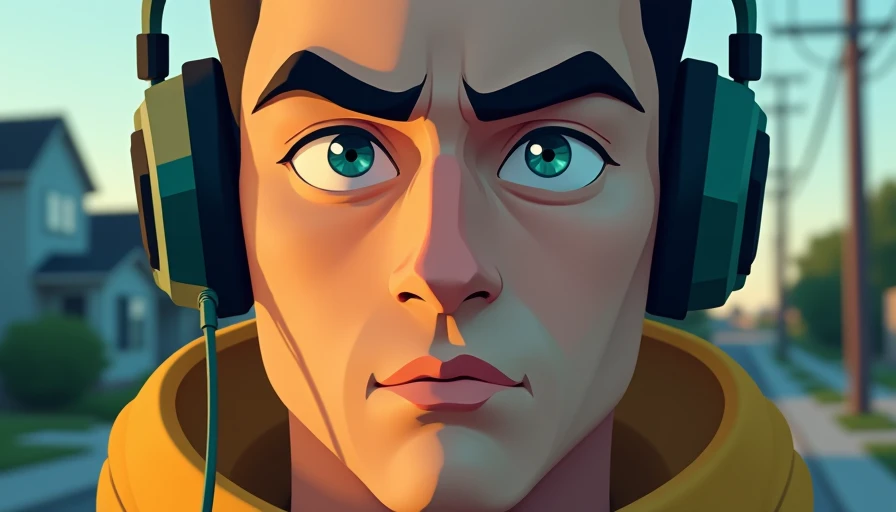
Songs for a hero usually arrive with a certain amount of noise: swelling strings, hard drums, a chorus built to fill a theater. But the characters I remember from indie games rarely need that much light. Their heroism is often visible in smaller gestures—a hand reaching across a gap, a walk through a ruined neighborhood, a refusal to become cruel. The right song does not simply announce that someone matters. It reveals what they are carrying.
When I think about songs for a hero, I think less about a victory lap and more about the moment after the screen goes dark. What remains in the room? Is it the pulse of a chase, the ache of a goodbye, or the quiet knowledge that the character kept moving when no one was watching? That question makes a playlist more interesting than a generic collection of cinematic tracks.
What makes songs for a hero actually work?
The strongest choices have a relationship with the character’s shape. A bright pop song can suit a hero who survives through humor and stubborn warmth. A low, repetitive electronic track can fit someone moving through a city that has forgotten them. A slow piano piece can be more powerful than a triumphant anthem if the story is about endurance rather than conquest.
Tempo matters, but so does distance. A song that feels huge from far away may flatten a personal scene. By contrast, a close vocal recording or dry guitar can make a character seem almost physically present. In an indie game, where environments are often built from limited shapes and colors, music can provide the scale the image does not. One held note can turn a small room into a place with history.
I also look for contrast. A tender song under a dangerous sequence can make the danger feel more human. A cheerful melody over an empty landscape can suggest denial, memory, or a world trying too hard to appear normal. The best songs for a hero do not tell you what to feel in plain language. They leave enough space for the player to arrive there alone.
A few directions for songs for a hero
For the quiet survivor, start with something restrained. Think fingerpicked guitar, brushed percussion, or a voice that sounds close enough to have been recorded in the next room. These tracks work well for games about recovery, exile, and ordinary courage. They make room for footsteps, wind, and the soft mechanical sounds of play. A hero does not need to be fearless; sometimes the song should admit that they are tired.
For the reluctant champion, look for tension that never fully resolves. Post-rock builds are useful here, as are synth tracks that add layers without delivering an immediate release. The character may be capable, but capability is not the same as confidence. A song with a repeating phrase can mirror the feeling of returning to the same problem with slightly different information.
For the bright-hearted hero, avoid music that is merely loud or sugary. Seek warmth with a little grain in it: handclaps that sit slightly behind the beat, brass with room noise, or a chorus that feels communal rather than manufactured. These songs can support exploration-heavy games where joy is an active choice. The character is not naive about the world; they are choosing to remain open to it.
For the haunted hero, space becomes the main instrument. Sparse ambient music, distant piano, and slow-moving drones can give a level the emotional pressure of a dream. This is especially effective when the game’s visual language is already strong—limited palettes, long hallways, empty fields, or a face shown only in fragments. The track should not explain the haunting. It should make the player feel that something is missing.
Match the track to the scene, not just the character
A common mistake is assigning one song to an entire protagonist. Characters change from scene to scene, and a playlist should follow that movement. A hopeful opening might use a track with a clear melodic center. After a betrayal, the same hero may need something rhythmically unstable, with gaps where confidence used to be. Near the ending, a return to the opening melody can feel earned without becoming sentimental.
This is where songs for a hero become more useful than a simple “epic music” search. Consider the scene’s physical details. Is the character crossing snow, climbing a fire escape, sorting through a dead person’s belongings, or waiting for a train that may never come? Music should respond to the pace and texture of that action. A heroic theme over an inventory screen can feel ridiculous. A modest motif repeated while a player performs difficult work can become unforgettable.
It helps to test each track at low volume. If the song still creates an image when it is barely audible, it probably has the right kind of emotional density. If it only works when the bass is shaking the room, it may be better suited to a trailer than to a game scene. I often sketch after playing, and the tracks that survive that test are the ones that produce a shape, a color, or a small remembered movement.
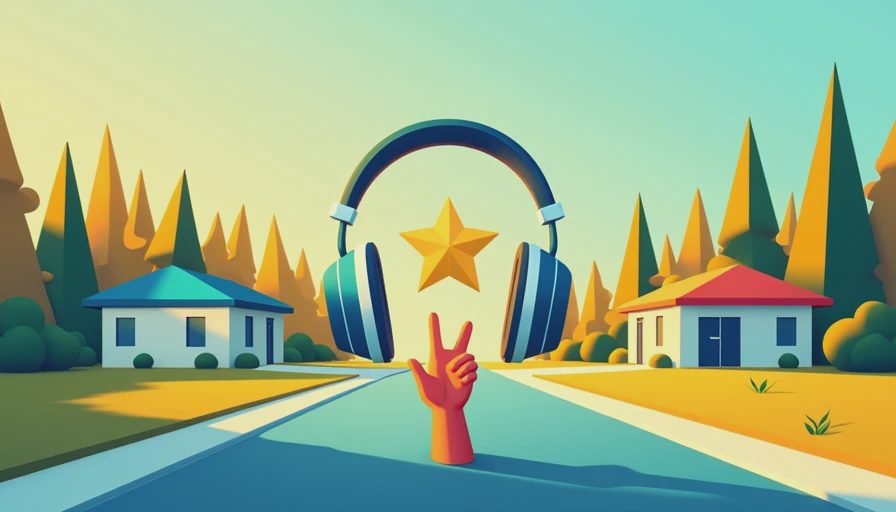
Finding music without losing the game’s identity
You do not need the most famous song to create a convincing hero playlist. In fact, recognizable hits can bring their own baggage. A listener may picture a movie montage, a commercial, or a music video before they picture your character. Lesser-known artists, instrumental records, and game soundtracks often leave more room for association.
Bandcamp, community radio, soundtrack albums, and carefully tagged playlists are useful starting points. Search by mood and texture rather than only by genre: “warm synth at night,” “lonely guitar,” “brass after rain,” or “slow music for an empty city” can lead somewhere more specific than “heroic songs.” If a track is intended for a public game, stream, video, or fan project, confirm its licensing terms before using it. A song can be emotionally perfect and still create a practical problem.
Keep the sequence in mind. Begin with an invitation, move through uncertainty, and save the most open or emotionally complete track for later. Not every song needs a climax. Some should function like connective tissue, giving the player a breath between heavier moments. A ten-track playlist with a clear emotional arc is usually stronger than thirty songs competing for attention.
The songs I would give a memorable protagonist
For the solitary traveler, I would choose a patient track with a steady walking rhythm and one detail that keeps changing: a distant harmony, a drum entering late, or a melody that refuses to resolve. For a young hero trying to save a damaged community, I would choose something communal but imperfect, as if several people were playing together in a room with bad acoustics. For a character who wins but cannot return to who they were, I would choose a beautiful song with a shadow in its final minute.
Those choices matter because heroism in indie games is rarely about looking invincible. It is about attention, persistence, and the willingness to remain a person inside an impossible situation. The music should honor that scale. The right songs for a hero do not make the character larger than life; they make the life they are protecting feel larger.
If you are building a playlist, start with one scene rather than one genre. Find the image you cannot shake, then choose a track that understands its silence. From there, let the collection grow through contrast: motion against stillness, warmth against dread, noise against an empty room. If it stays with you, it counts.